What is COPD?
Not an actual
DUPIXENT patient
DUPIXENT patient
chronic obstructive Pulmonary Disease
COPD is a long-term lung condition that makes it hard to breathe. Every COPD flare-up can increase the chance of having another flare-up in the future.
LIVING WITH COPD
Symptoms of COPD include:
- Trouble breathing
- Chronic coughing
- Persistent phlegm
- Wheezing or chest
tightness - Fatigue
With an appropriate treatment plan, COPD can be managed with medications and lifestyle changes.
CHRONIC INFLAMMATION:
A KEY FACTOR IN COPD
Research has shown that a type of underlying inflammation called
Type 2 inflammation can lead to difficulty breathing
and an increased risk of COPD flare-ups.

The immune system can be
triggered by smoking,
occupational hazards (like
fumes, dust, or chemical
agents), or air pollution.
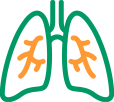
This results in inflammation,
which can cause the airways in
the lungs to become smaller,
and leads to increased
mucus production.

Symptoms can worsen, and
COPD flare-ups can increase as
a result.
HOW INFLAMMATION
AFFECTS THE AIRWAY
difficulty
breathing and
other symptoms of COPD
COPD IS A CHRONIC AND PROGRESSIVE DISEASE
Type 2 inflammation can
be indicated by high
levels of eosinophils, a
type of white blood cell.
A blood test can detect
whether you or your
loved
one has this
inflammation.
Have a Productive
DISCUSSION With
Your Pulmonologist
Explaining how COPD affects your life is a key part of your treatment journey.
Arrive at your next doctor’s visit prepared with questions like: How does DUPIXENT work differently than my other treatments?
Download our doctor discussion guide for more questions, topics, and suggestions to help maximize your visit.
DownloadDISCUSSION guide
Not an actual DUPIXENT patient

Tell us more about yourself so we can guide you to helpful information
Select the best option to receive information to address your specific needs.
Adding DUPIXENT as a treatment option may help manage COPD.
We have tools and resources to support your treatment journey, including financial support options, prescription scheduling, supplemental injection training, and more.
Inflammation in the lungs may lead to difficulty breathing.
FREQUENTLY ASKED QUESTIONS
DUPIXENT helps block a key source of inflammation in the lungs. This inflammation, known as Type 2 inflammation, can constrict airways and make it harder to breathe properly.
Type 2 inflammation can be indicated by high levels of eosinophils, a type of white blood cell. A blood test can detect whether you or your loved one has this inflammation.
View ClinicalTrial Results
Common signs of COPD flare-ups include:
- More coughing
- Changes to mucus or phlegm
- Difficulty sleeping
- Shortness of breath or having a hard time taking a deep breath
- Wheezing or noisy breathing
- More fatigue or tiredness
- Increased use of rescue inhaler
Common COPD triggers can include:
- Cigarette smoke
- Occupational exposure (fumes, dust, or chemical agents)
- Air pollution
- Pet dander
- Respiratory or lung infections
- Genetic risk factors
In addition to medications prescribed by a healthcare provider, including bronchodilators, corticosteroids, combination therapy, and antibiotics, COPD patients can make lifestyle choices to manage their symptoms and prevent flare-ups. Those choices can include:
- Going for short walks
- Attending pulmonary rehabilitation sessions after speaking with a doctor
- Sticking to a regular sleep schedule
- Spending quality time with friends and family for support and motivation
- Quitting smoking
- Eating healthier