
VIEW BEFORE AND AFTER PHOTOS IN CHILDREN WITH ECZEMA
to see results

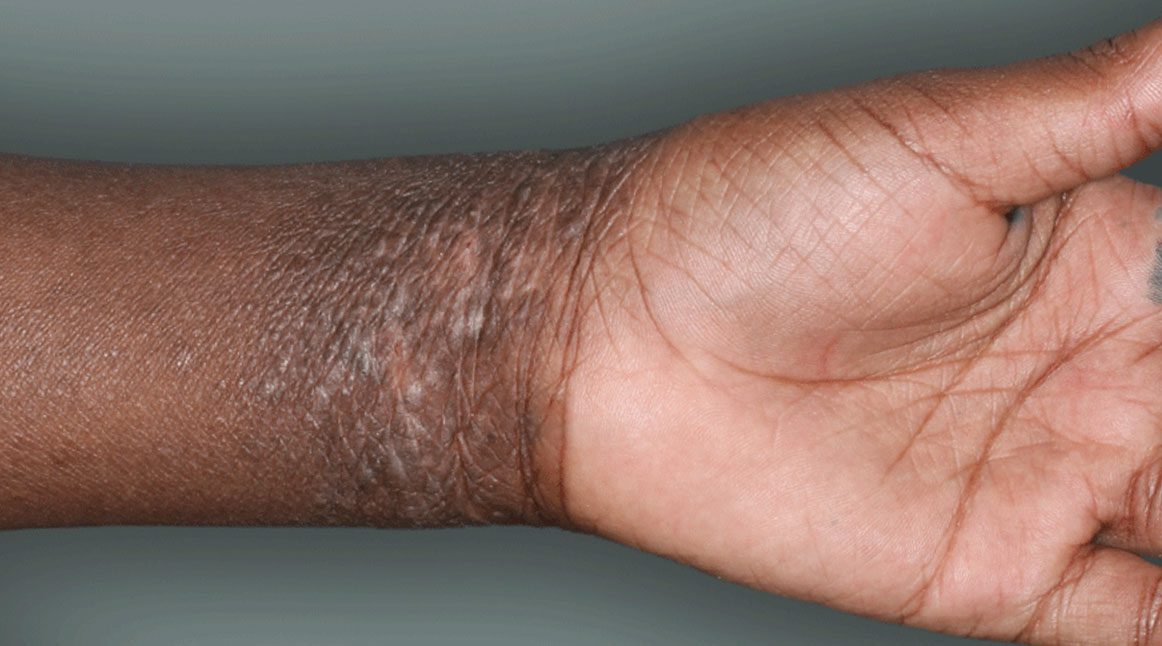
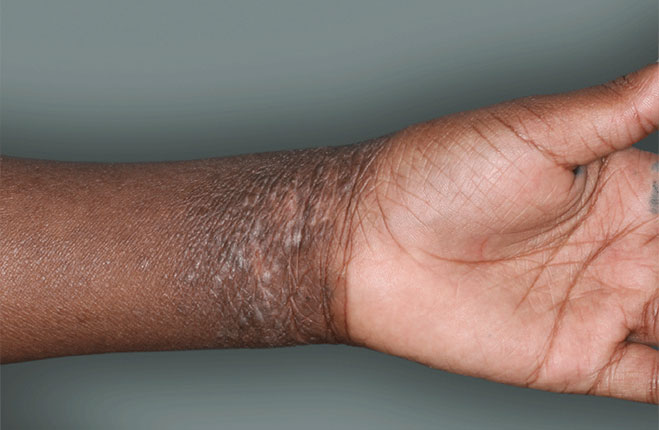
Before
Treatment
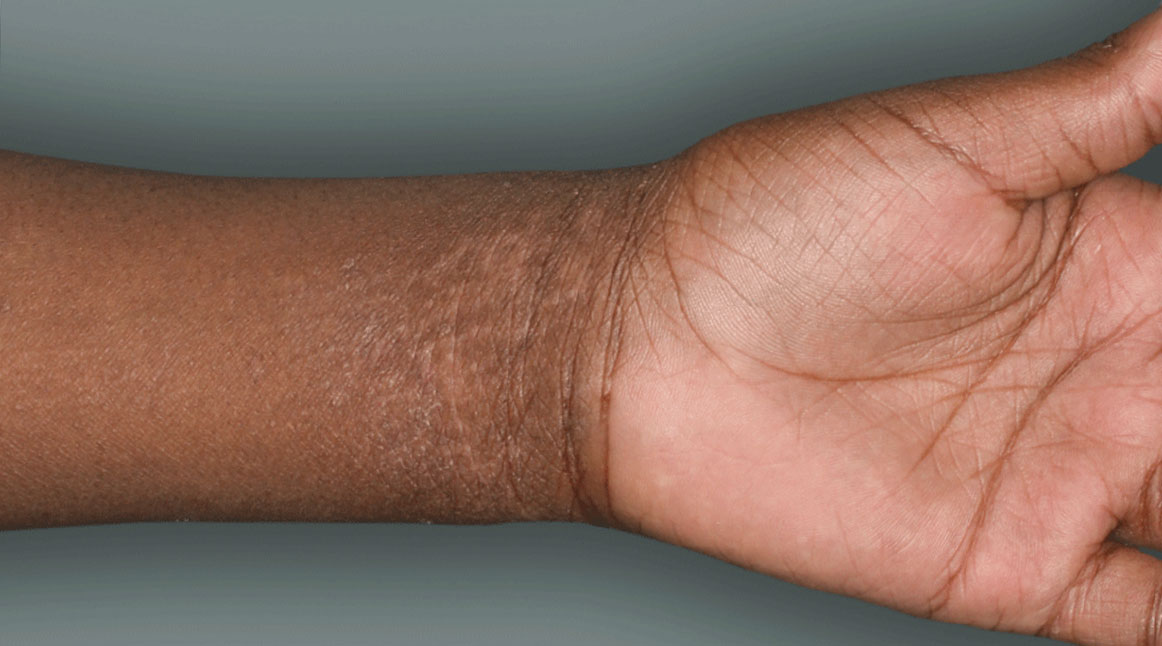
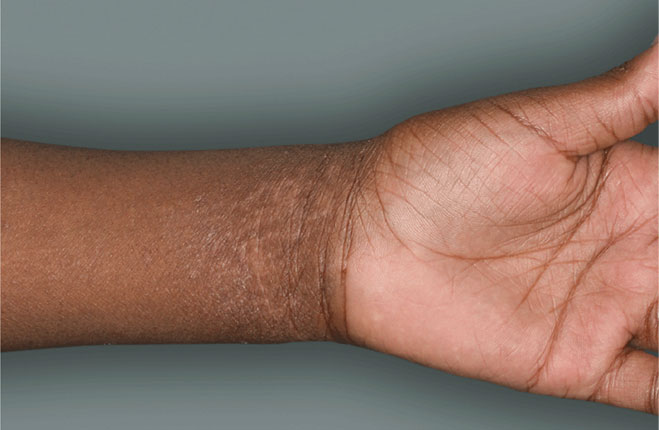
After treatment
with dupixent
at 16 weeks
to see results
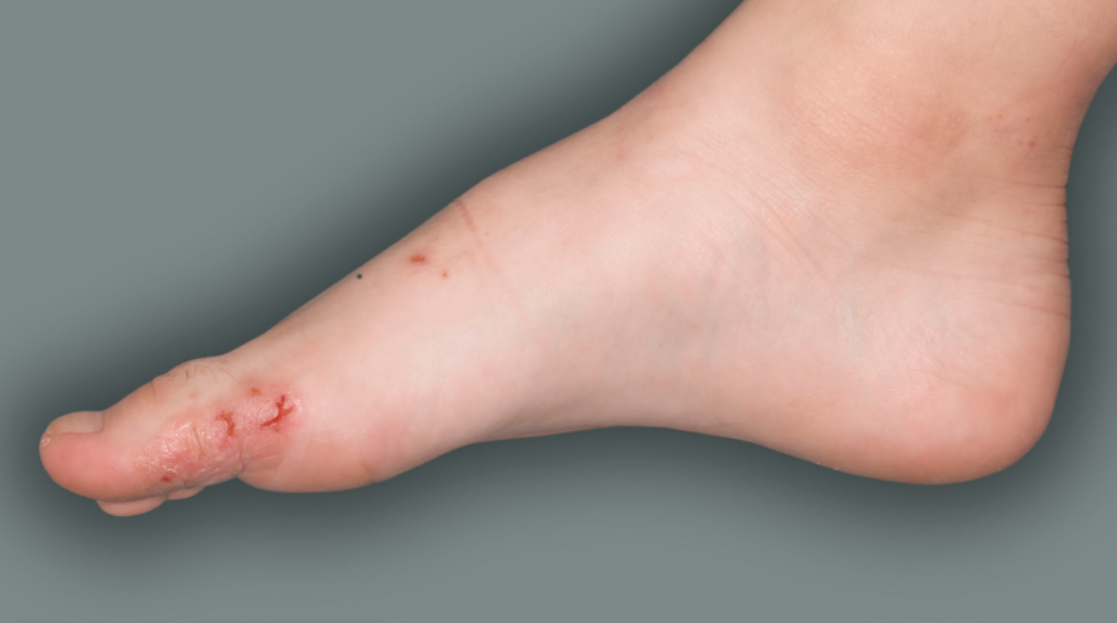
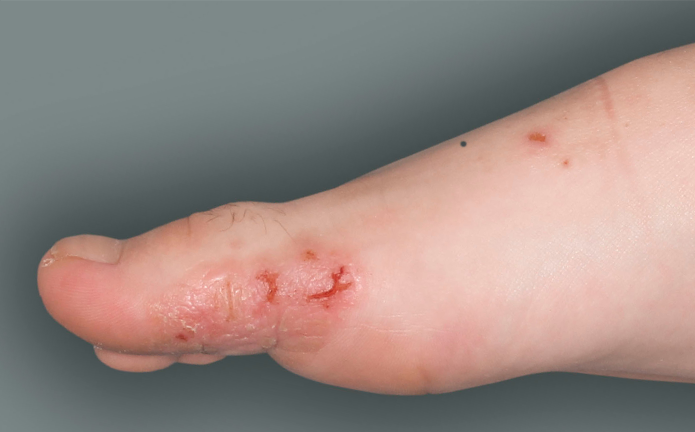
Before
Treatment
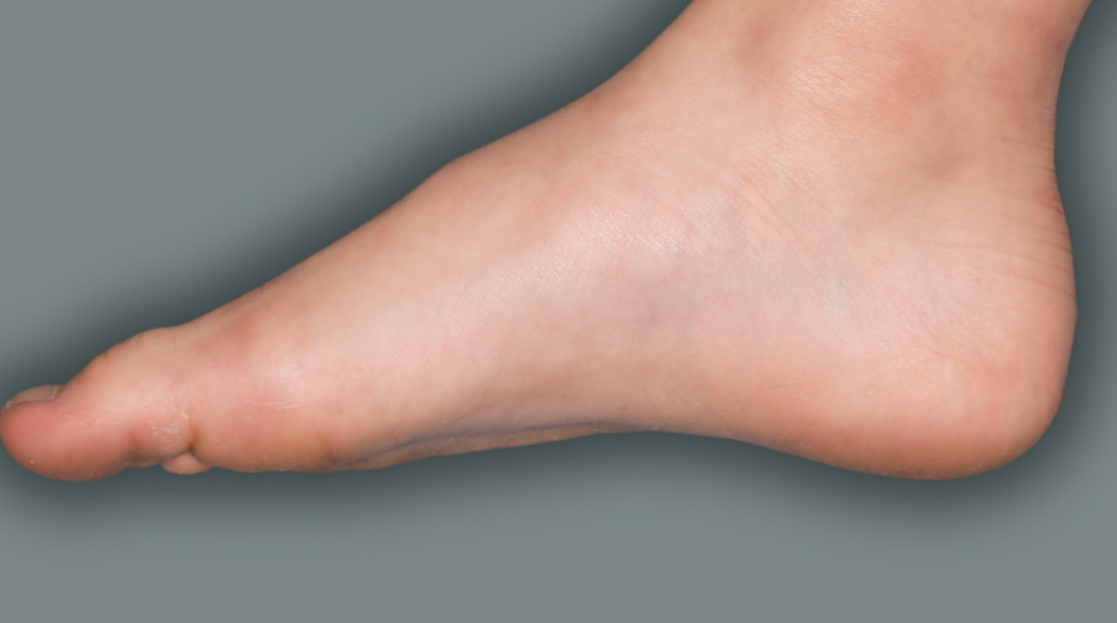
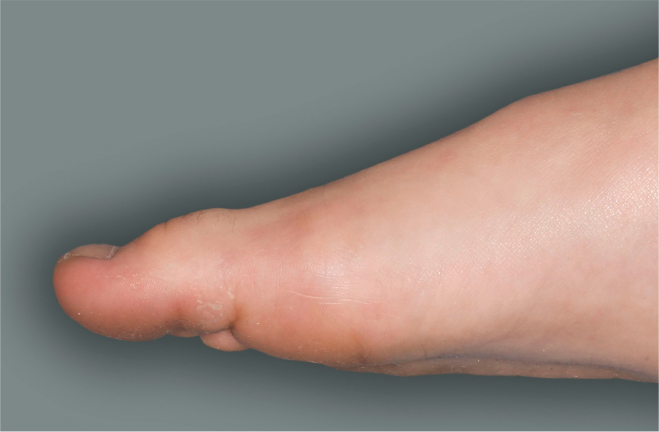
After treatment
with dupixent
at 16 weeks
Actual 10-year-old () and 9-year-old () clinical trial patients treated with DUPIXENT and a topical corticosteroid. These patients met clinical trial criteria for clear or almost clear skin. Individual results may vary.
DUPIXENT in combination with a topical corticosteroid was studied in a clinical trial with 367 children with uncontrolled severe eczema (atopic dermatitis).
Clearer skin and itch relief in children
Results from a clinical trial of patients ages 6-11 years with severe eczema at 16 weeks:
ALMOST CLEAR SKIN
Under 66 lb: 30% on DUPIXENT + TCS
vs 13% on TCS only
66 lb or more: 39% on DUPIXENT + TCS
vs 10% on TCS only
LESS ITCH
Under 66 lb: 54% on DUPIXENT + TCS
vs 12% on TCS only
66 lb or more: 61% on DUPIXENT + TCS
vs 13% on TCS only
than half of children
Under 66 lb: 75% on DUPIXENT + TCS vs 28% on TCS only
66 lb or more: 75% on DUPIXENT + TCS vs 26% on TCS only
Dosing is based on age and weight. Your child’s doctor will tell you how much DUPIXENT to give and how often.
TCS, topical corticosteroids.
LONG-TERM SAFETY
RESULTS IN CHILDREN
Long-term safety results for children continuing on DUPIXENT with or without TCS in the pediatric extension study through 1 year were consistent with the adult clinical trials.
Most common side effects in patients with eczema include:
- Injection site reactions
- Eye problems, including eye and eyelid inflammation, redness, swelling, itching, eye infection, dry eye, and blurred vision
- Cold sores in your mouth or on your lips
- High count of a certain white blood cell (eosinophilia)
View the possible side effects of DUPIXENT
What you should know about the patients in this study:
atopic dermatitis
area involvement

Have you spoken to a dermatologist or allergist about DUPIXENT?
Great! Sign up for DUPIXENT MyWay®, our patient support program, to access program benefits and get one-on-one support every step of the way, including help with filling your first prescription.
If you're still struggling with moderate-to-severe eczema, maybe it's time to change the conversation.
Answer a few short questions about your eczema symptoms and treatment goals. We’ll turn it into a personalized guide you can use at your next visit.
Specialists like dermatologists or allergists often have more experience treating moderate-to-severe eczema and can help create a personalized care plan for you.
Stay connected
Feel like you're struggling with your symptoms?
Sign up for information that can help.