
IS DUPIXENT RIGHT FOR YOUR CHILD?
If your child's uncontrolled, moderate-to-severe eczema keeps coming back, despite prescription topicals, it may be time to consider a targeted treatment like DUPIXENT. Signs it may be time:
- Itchy, uncomfortable skin
- Random and constant flare-ups
- Hiding skin because of eczema
- Missing school or activities because of eczema
DUPIXENT can help control your child’s symptoms by:



Clearer Skin and Less Itch for Teens
Slide to see the difference in a real teen patient.
Actual 12-year-old clinical trial patient treated with DUPIXENT. This patient did not meet clinical trial criteria for clear or almost clear skin at 16 weeks. Individual results may vary.
to see results

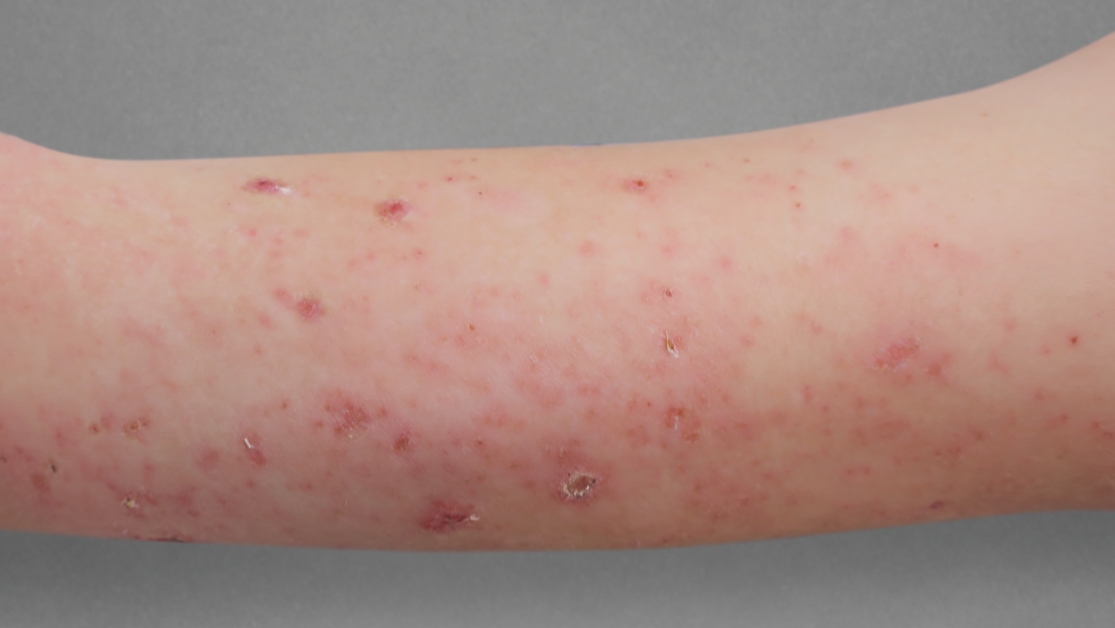
Before Treatment
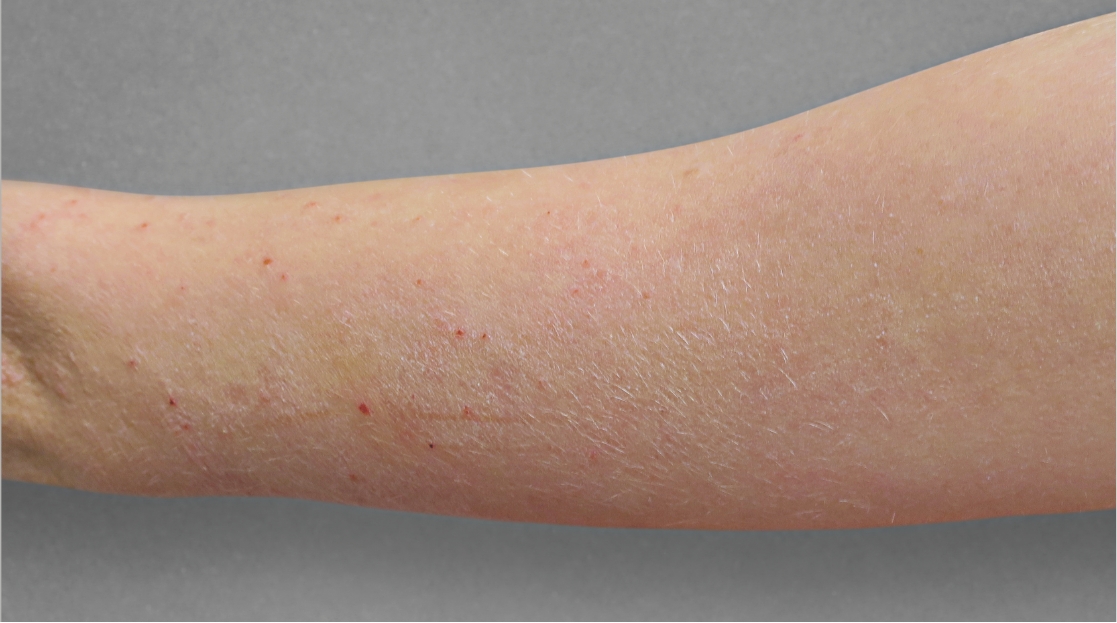
After Treatment with
dupixent at 16 weeks
Long-term safety: a year-long study in pediatrics
Long-term safety results in teens aged 12 to 17 continuing on DUPIXENT through 1 year in the pediatric extension study were consistent with the adult clinical trials.
Most Common Side Effects in Patients With Eczema Include:
- Injection site reactions
- Eye problems, including eye and eyelid inflammation, redness, swelling, itching, eye infection, dry eye, and blurred vision
- Cold sores in your mouth or on your lips
- High count of a certain white blood cell (eosinophilia)
These are not all the possible side effects. Your most important partner in your teenager’s treatment is their doctor. Have open conversations with them to address any questions or concerns.
More Kids Saw Relief
Slide to see the before and after photos of real pediatric patients aged 6 to 11 years.
Actual 10-year-old (top) and 9-year-old (bottom) clinical trial patients treated with DUPIXENT and a topical corticosteroid. These patients met clinical trial criteria for clear or almost clear skin. Individual results may vary.
to see results
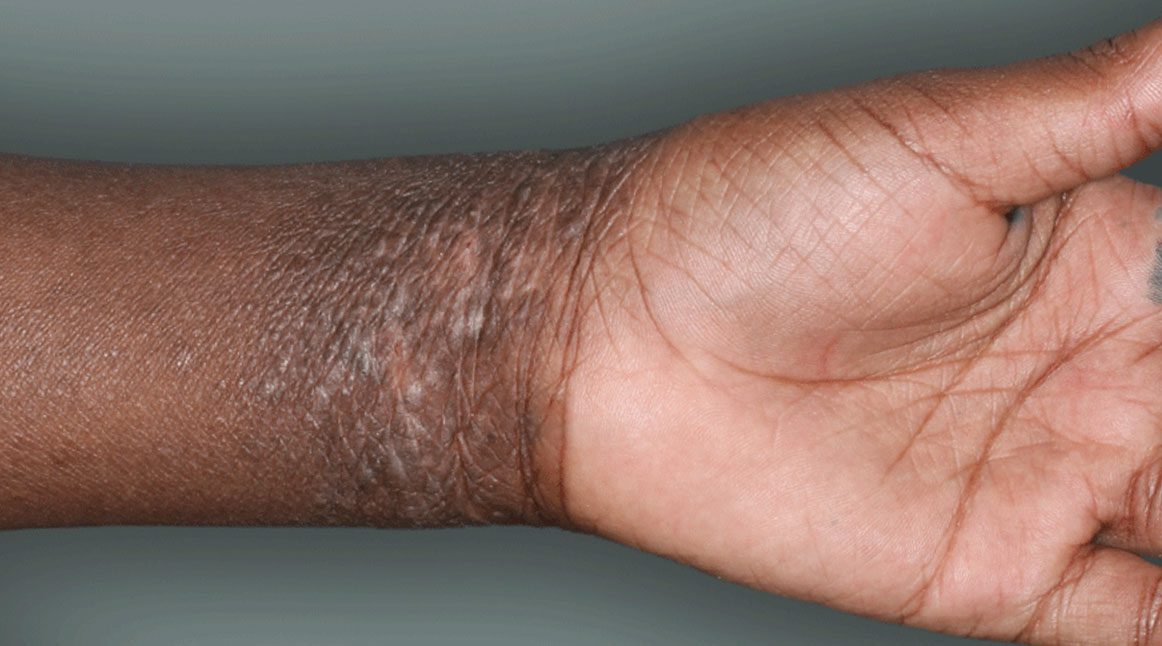
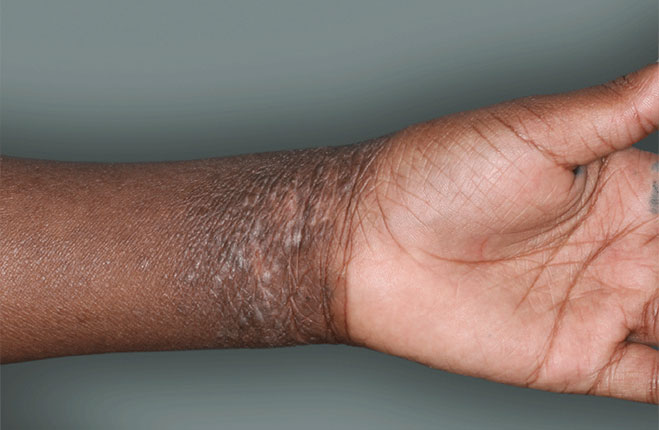
Before
Treatment
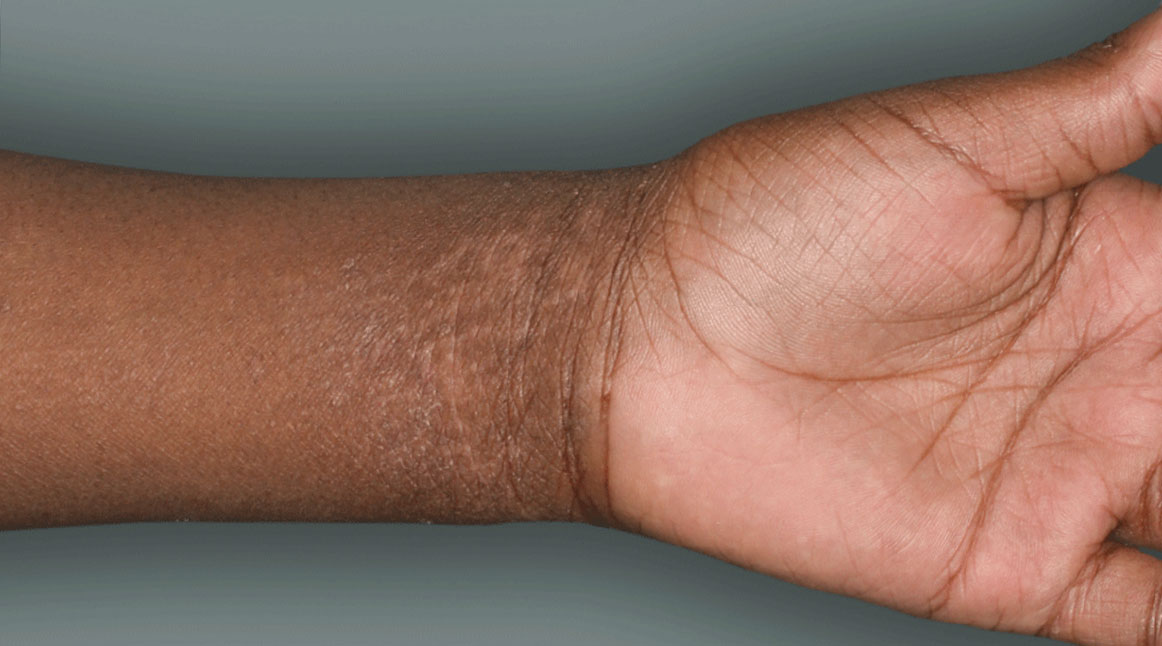
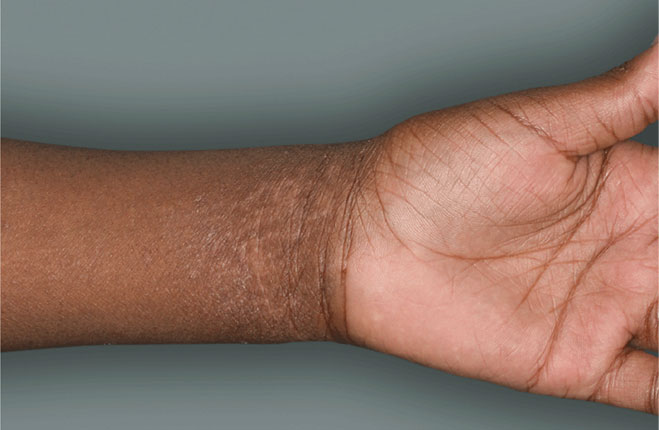
After treatment
with dupixent
at 16 weeks
to see results
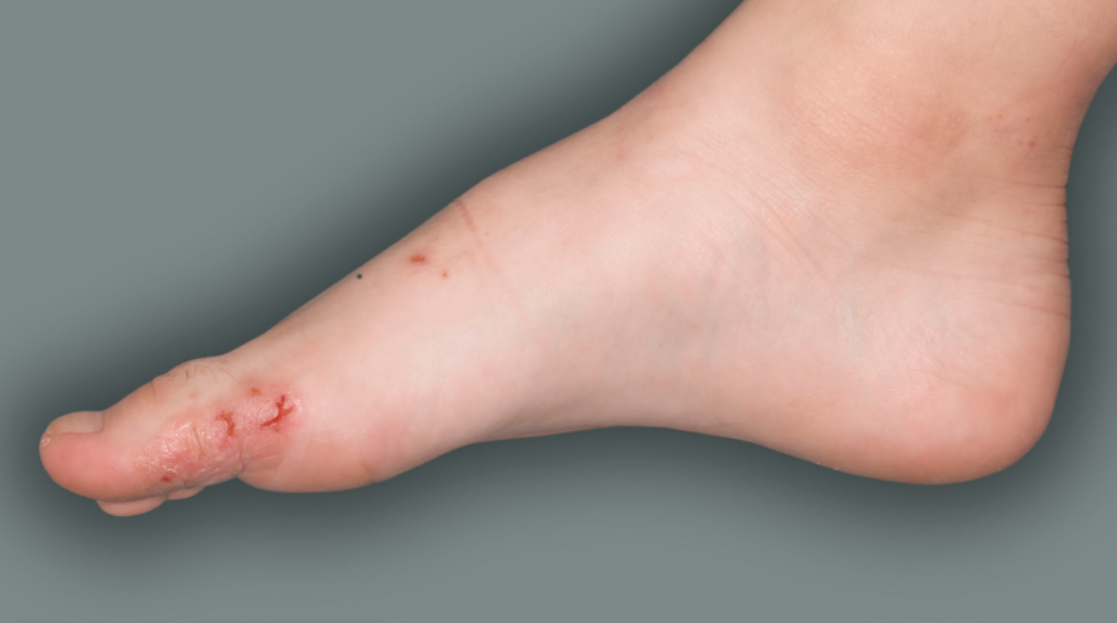
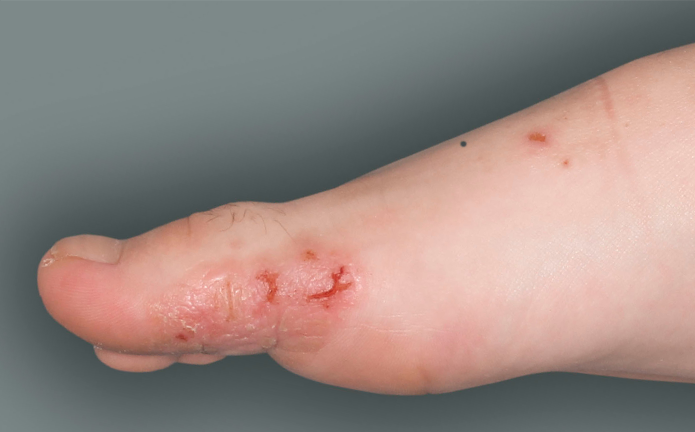
Before
Treatment
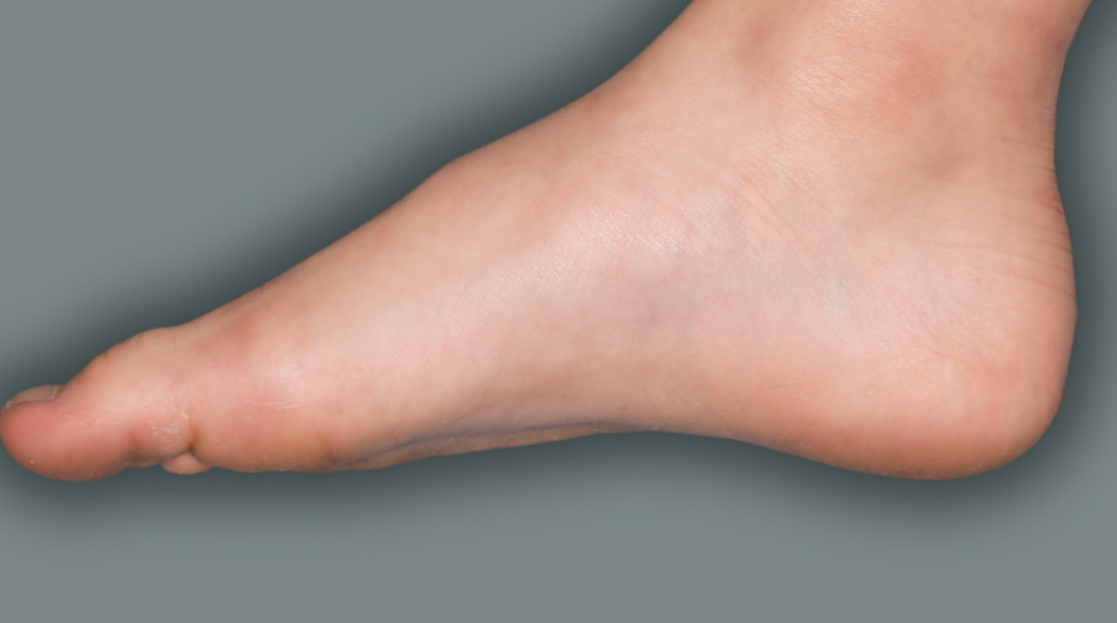
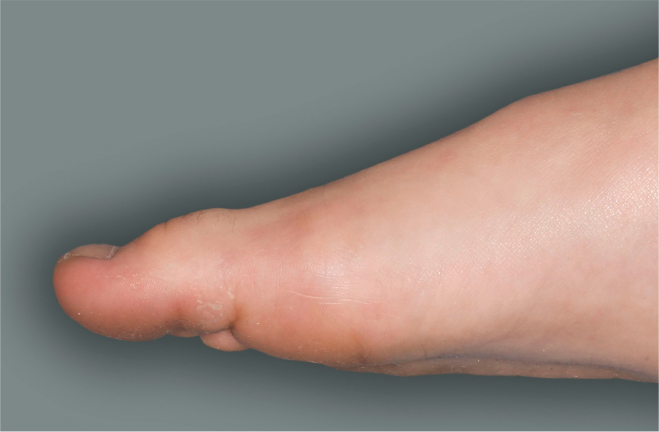
After treatment
with dupixent
at 16 weeks
Long-term safety: a year-long study in pediatrics
Long-term safety results in children aged 6 to 11 continuing on DUPIXENT with or without topical corticosteroids through 1 year in the pediatric extension study were consistent with the adult clinical trials.
Most Common Side Effects in Patients With Eczema Include:
- Injection site reactions
- Eye problems, including eye and eyelid inflammation, redness, swelling, itching, eye infection, dry eye, and blurred vision
- Cold sores in your mouth or on your lips
- High count of a certain white blood cell (eosinophilia)
These are not all the possible side effects. Your most important partner in your child's treatment is their doctor. Have open conversations with them to address any questions or concerns.
Proven ECZEMA Relief From Infancy On (ages 6 monthS+)
Slide to see the difference DUPIXENT made in a 4-year-old patient.
Actual 4-year-old clinical trial patient treated with DUPIXENT and a topical corticosteroid. This patient met clinical trial criteria for clear or almost clear skin. Individual results may vary.
to see results
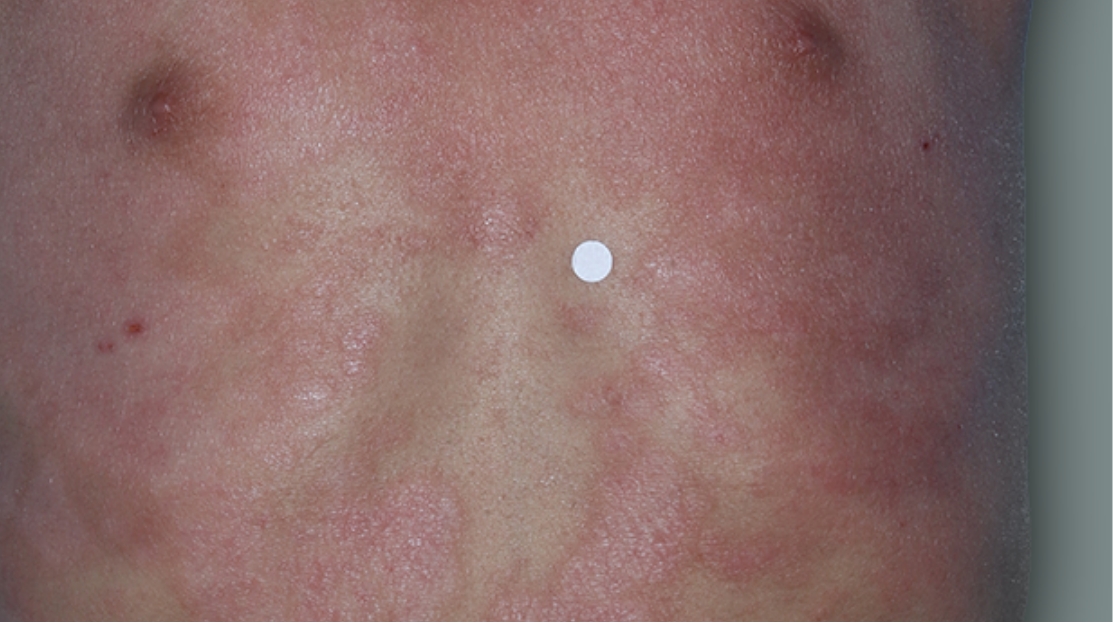

Before
Treatment
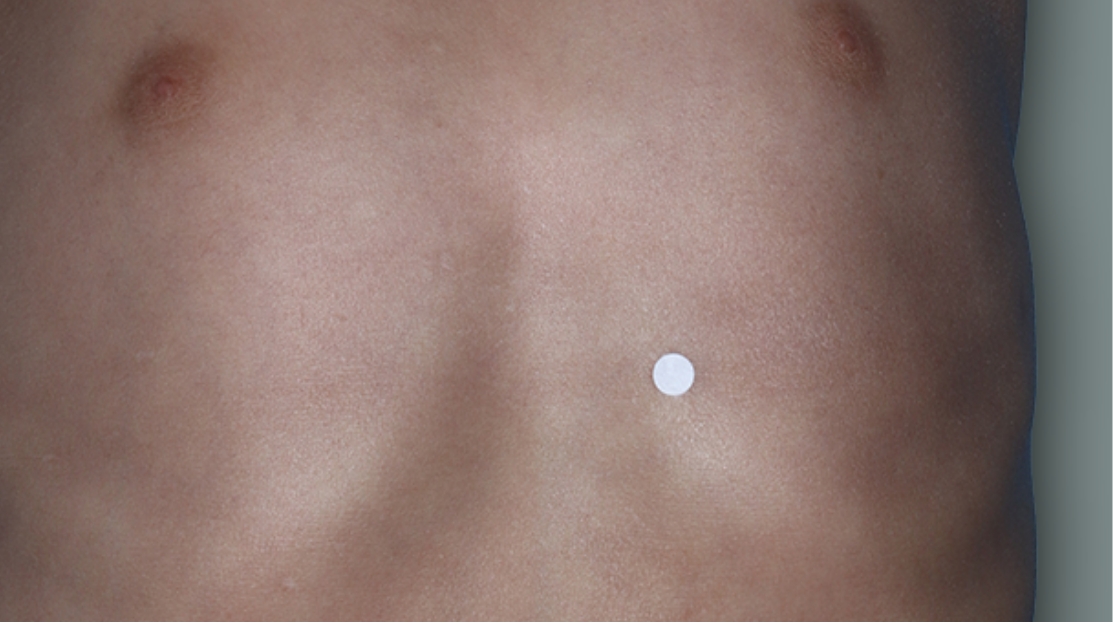

AFTER TREATMENT
With
DUPIXENT at
16 Weeks
View results in young children
Long-term safety: a year-long study in pediatrics
Long-term safety results in infants and young children aged 6 months to 5 years continuing on DUPIXENT with or without topical corticosteroids through 1 year in the pediatric extension study were consistent with the adult clinical trials. In addition, hand-foot-and-mouth disease and warts were reported. In these reported cases, patients continued treatment with DUPIXENT.
Most Common Side Effects in Patients With Eczema Include:
- Injection site reactions
- Eye problems, including eye and eyelid inflammation, redness, swelling, itching, eye infection, dry eye, and blurred vision
- Cold sores in your mouth or on your lips
- High count of a certain white blood cell (eosinophilia)
These are not all the possible side effects. It is important to talk to your young child's pediatrician or eczema specialist about any and all side effects they experience. Don’t hesitate to bring up any concerns or questions you may have.
Clearer Skin and Less Itch for Teens
Slide to see the difference in a real teen patient.
Actual 12-year-old clinical trial patient treated with DUPIXENT. This patient did not meet clinical trial criteria for clear or almost clear skin at 16 weeks. Individual results may vary.
to see results
Before Treatment
After Treatment with
dupixent at 16 weeks
Long-term safety: a year-long study in pediatrics
Long-term safety results in teens aged 12 to 17 continuing on DUPIXENT through 1 year in the pediatric extension study were consistent with the adult clinical trials.
Most Common Side Effects in Patients With Eczema Include:
- Injection site reactions
- Eye problems, including eye and eyelid inflammation, redness, swelling, itching, eye infection, dry eye, and blurred vision
- Cold sores in your mouth or on your lips
- High count of a certain white blood cell (eosinophilia)
These are not all the possible side effects. Your most important partner in your teenager’s treatment is their doctor. Have open conversations with them to address any questions or concerns.
More Kids Saw Relief
Slide to see the before and after photos of real pediatric patients aged 6 to 11 years.
Actual 10-year-old (top) and 9-year-old (bottom) clinical trial patients treated with DUPIXENT and a topical corticosteroid. These patients met clinical trial criteria for clear or almost clear skin. Individual results may vary.
to see results
Before
Treatment
After treatment
with dupixent
at 16 weeks
to see results
Before
Treatment
After treatment
with dupixent
at 16 weeks
Long-term safety: a year-long study in pediatrics
Long-term safety results in children aged 6 to 11 continuing on DUPIXENT with or without topical corticosteroids through 1 year in the pediatric extension study were consistent with the adult clinical trials.
Most Common Side Effects in Patients With Eczema Include:
- Injection site reactions
- Eye problems, including eye and eyelid inflammation, redness, swelling, itching, eye infection, dry eye, and blurred vision
- Cold sores in your mouth or on your lips
- High count of a certain white blood cell (eosinophilia)
These are not all the possible side effects. Your most important partner in your child's treatment is their doctor. Have open conversations with them to address any questions or concerns.
Proven ECZEMA Relief From Infancy On (ages 6 monthS+)
Slide to see the difference DUPIXENT made in a 4-year-old patient.
Actual 4-year-old clinical trial patient treated with DUPIXENT and a topical corticosteroid. This patient met clinical trial criteria for clear or almost clear skin. Individual results may vary.
to see results
Before
Treatment
AFTER TREATMENT
With
DUPIXENT at
16 Weeks
View results in young children
Long-term safety: a year-long study in pediatrics
Long-term safety results in infants and young children aged 6 months to 5 years continuing on DUPIXENT with or without topical corticosteroids through 1 year in the pediatric extension study were consistent with the adult clinical trials. In addition, hand-foot-and-mouth disease and warts were reported. In these reported cases, patients continued treatment with DUPIXENT.
Most Common Side Effects in Patients With Eczema Include:
- Injection site reactions
- Eye problems, including eye and eyelid inflammation, redness, swelling, itching, eye infection, dry eye, and blurred vision
- Cold sores in your mouth or on your lips
- High count of a certain white blood cell (eosinophilia)
These are not all the possible side effects. It is important to talk to your young child's pediatrician or eczema specialist about any and all side effects they experience. Don’t hesitate to bring up any concerns or questions you may have.
PIXI & ALEX'S ADVENTURE
Find tips, tools, and even a fun storybook about moderate-to-severe eczema to help you and your child navigate their journey on DUPIXENT.
SUPPORT FOR CAREGIVER AND PATIENT
Our patient support program offers resources to help support you and your child throughout the treatment journey, including financial assistance options.
STAY INFORMED
Stay up to date with helpful information and resources for treating your child with DUPIXENT.
STARTING TREATMENT WITH DUPIXENT
DUPIXENT is an injectable medicine that is not taken every day. Your child's doctor will determine the dose for your child based on their age and weight.